


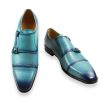




You bought backless loafers because they looked effortlessly stylish on someone else. But when you put them on, something feels off. They keep slipping at the heel. Your pants bunch awkwardly around them. You’re not sure if they’re appropriate for work. And honestly, you’re wondering if you look sloppy rather than sophisticated.
These are the exact problems most men face when learning to wear backless loafers. The good news? Every single one of these issues has a specific, actionable solution. This isn’t a vague styling guide—it’s a troubleshooting manual that solves the real problems preventing backless loafers from working in your wardrobe.
Whether you’re struggling with fit issues, uncertain about appropriate occasions, or simply can’t figure out what to wear with them, this guide addresses each challenge systematically. By the end, you’ll know exactly how to make backless loafers work for your lifestyle, body type, and wardrobe.
Problem #1: My Backless Loafers Keep Slipping Off
🔴 The Issue
You walk across a room and your heel constantly lifts out of the shoe. Going up stairs feels precarious. The shoes feel loose, but sizing down makes your toes cramped. Sometimes they literally fall off your feet when you’re sitting with your legs crossed.
Why this happens: Backless loafers lack a heel counter (the stiff cup at the back of traditional shoes). Without this structure, the shoe must grip your forefoot and midfoot perfectly—there’s literally nothing holding your heel in place.
✅ The Solution
Immediate Fixes (For Shoes You Already Own):
1. Add Tongue Pads or Vamp Cushions
These adhesive pads attach inside the shoe at the vamp (top front area). They reduce the shoe’s internal volume, pushing your foot back into the heel cup. Cost: $8-15. Effectiveness: 70% of slipping issues resolved.
Where to place them: On the inside of the vamp, where the shoe touches the top of your foot. Start with thin pads; you can stack multiple if needed.
2. Use Heel Grips
Adhesive cushions that stick to the inside back of the shoe where your heel sits. They create friction, preventing heel slippage. Cost: $6-12. Effectiveness: 50% of cases (less effective than tongue pads for backless styles).
Caveat: Because backless loafers have no heel counter, traditional heel grips are less effective than in traditional shoes. Tongue pads work better.
3. Wear Textured Insoles
Replace smooth leather insoles with textured or suede insoles. The additional friction helps grip your foot. Cost: $15-30. Effectiveness: 40% improvement when combined with other fixes.
Long-Term Solutions (When Buying New Shoes):
1. Choose Proper Last Shape
The shoe “last” (the form the shoe is built around) is critical for backless loafers. Different last shapes fit different foot profiles:
- Rounded toe last: Best for wider feet, more forgiving fit
- Almond toe last: Ideal for narrow to medium feet, grips instep better
- Semi-square last: Best for high-volume feet (thick/tall feet)
This is where custom or hand-welted backless loafers excel—proper last selection ensures the shoe grips your specific foot shape.
2. Size Strategically
With backless loafers, if you’re between sizes, size DOWN rather than up. Leather stretches width-wise as it breaks in (about half a size), but never lengthwise. A slightly snug fit across the vamp is far better than extra length that allows heel slippage.
Test: When trying on backless loafers, walk backwards. If your heel lifts significantly or the shoe falls off, it’s too big—even if it feels comfortable standing still.
3. Look for Design Features That Improve Grip
- Apron toe construction: The stitched panel across the toe adds structure that helps the shoe hug your foot
- Penny strap or horsebit hardware: These details across the vamp add slight pressure, improving hold
- Elastic goring: Some backless loafers include hidden elastic inserts for better grip
Problem #2: I Look Sloppy, Not Sophisticated
🔴 The Issue
You’ve seen backless loafers look elegant on others, but when you wear them, something looks off. Your overall appearance feels disheveled or too casual. People at work give you second glances—not in a good way. You can’t pinpoint what’s wrong, but you know the look isn’t working.
Why this happens: Backless loafers amplify proportion issues. Their clean, streamlined silhouette demands precision in three specific areas: trouser length, trouser fit, and overall outfit balance.
✅ The Solution
Critical Fix #1: Trouser Length (This Fixes 60% of “Sloppy” Problems)
The single most common mistake is wrong trouser length. Backless loafers require showing ankle—but the right amount.
The exact formula:
- Hem placement: Trouser hem should hit at or just above your ankle bone when standing
- Break amount: No break to quarter break maximum (trouser leg barely touches shoe)
- Ankle exposure: 1-2 inches of bare ankle visible creates proper proportion
Why this matters: Too long, and fabric pools around the shoe, creating visual bulk and looking unkempt. Too short, and you look like you’re wearing floods. The sweet spot is 1-2 inches of exposed ankle—creating a clean line from hem to shoe.
Action step: Take 2-3 pairs of pants to a tailor. Say: “I need these hemmed for wearing with loafers—no break, hitting just at the ankle bone.” This $15-20 alteration transforms how polished you look in backless loafers.
Critical Fix #2: Trouser Fit
Baggy or overly tapered trousers destroy the clean silhouette backless loafers create.
What works:
- Slim fit (not skinny): Follows leg line without tightness, slight taper from knee to ankle
- Straight fit: Classic straight leg with clean hem
- Leg opening: 14-15 inches for balanced proportion
What doesn’t work:
- Baggy, loose-fitting trousers (too much fabric overwhelms the shoe)
- Extreme tapers that create carrot-leg silhouette
- Low-rise pants that show too much ankle from sitting
Critical Fix #3: The No-Sock Rule
Visible socks with backless loafers always looks wrong. No exceptions. The clean line from trouser to shoe is the entire aesthetic.
Your sock options:
- No-show liner socks: Sit completely below the shoe’s topline (brands: Bombas, Stance, Falke)
- Loafer socks: Ultra-low cut with silicone heel grips
- Barefoot: In warm, dry weather with quality leather lining
Managing hygiene without visible socks:
- Apply foot antiperspirant or powder before wearing
- Invest in shoes with quality leather lining (goat or kid leather naturally wicks moisture)
- Rotate shoes—never wear the same pair two days consecutively
- Use cedar shoe trees to absorb moisture overnight
Critical Fix #4: Balance Casual Shoes with Structured Clothing
Backless loafers are inherently casual. Pairing them with equally casual clothing creates an overly relaxed appearance.
The balancing principle: Casual shoe + structured clothing = sophisticated. Casual shoe + casual clothing = sloppy.
Practical application:
- With backless loafers, wear: Tailored trousers (not joggers), structured blazers (not hoodies), fitted button-downs (not oversized t-shirts)
- Exception: Premium casual wear in elevated fabrics (quality denim, linen shirts, merino polos) can work in non-professional settings
Problem #3: I Don’t Know When They’re Appropriate
🔴 The Issue
You’re standing in your closet wondering: Can I wear these to work? To dinner? To a wedding? You know they’re “casual,” but what does that actually mean? You’ve seen style guides say “smart-casual” but you still don’t know if they’re appropriate for your specific situation.
Why this happens: Backless loafers sit in a narrow formality band. They’re more formal than sneakers but less formal than traditional dress shoes. Without understanding this specific positioning, it’s impossible to know when they work.
✅ The Solution: The Occasion Decision Matrix
✅ YES – Backless Loafers Work Great:
1. Business-Casual Office (With Qualifications)
- Works if: Your office culture is relaxed, creative industry, tech company, or “casual Friday” environment
- Pair with: Tailored chinos or wool trousers, button-down shirts (tucked), optional blazer
- Choose: Leather (not suede), neutral colors (brown, black, cognac)
- Avoid on: Days with client meetings, presentations, or conservative stakeholders present
2. Weekend Casual & Errands
- Perfect for: Coffee shops, grocery shopping, casual dining, walking neighborhoods
- Pair with: Dark denim, chinos, casual button-downs, polos, lightweight sweaters
- Why they work: More polished than sneakers, more comfortable than oxfords
3. Travel (Especially Air Travel)
- Ideal because: Easy TSA removal, comfortable for long flights, looks put-together in airport lounges
- Pair with: Comfortable trousers, performance polos, travel blazer
4. Warm-Weather Social Events
- Works for: Daytime parties, backyard BBQs (upscale), outdoor concerts, gallery openings
- Pair with: Linen trousers, casual blazers, short-sleeve button-downs
5. Date Nights (Casual to Smart-Casual Venues)
- Perfect for: Casual restaurants, wine bars, walking dates, outdoor venues
- Pair with: Well-fitted dark denim or chinos, nice shirt or sweater
⚠️ MAYBE – Proceed with Caution:
1. Summer Weddings (Daytime, Casual Dress Code Only)
- Only if: Invitation explicitly says “casual” or “beach casual,” daytime ceremony, outdoor setting
- Pair with: Linen or cotton suit in light colors, no tie
- Never if: Evening wedding, traditional venue, “cocktail attire” or above dress code
2. Business Meetings Outside Office
- Only if: Meeting at coffee shop/casual restaurant, creative industry, established relationship
- Never for: First meetings, pitches, conservative industries, formal business dinners
❌ NO – Don’t Wear Backless Loafers:
1. Traditional Corporate Offices
- Law firms, banks, consulting, financial services (unless explicitly casual day)
- Why: These environments require closed-back dress shoes as minimum formality
2. Formal Events
- Black tie, cocktail attire, formal weddings, funerals, religious ceremonies
- Why: Backless design reads too casual regardless of styling
3. Job Interviews
- Exception: Very casual startups where founder wears sneakers
- Why: Better to overdress slightly than risk appearing too casual
4. Cold/Wet Weather
- Rain, snow, temperatures below 50°F
- Why: Exposed heel is impractical and uncomfortable
5. Active/Athletic Activities
- Hiking, sports, yard work, anything requiring secure footwear
- Why: Lack of heel support makes them inappropriate for active movement
Problem #4: I Don’t Know What to Actually Wear With Them
🔴 The Issue
You open your closet and have no idea what works with backless loafers. Every outfit attempt feels wrong. Your wardrobe seems incompatible. You need specific, actionable outfit formulas—not vague advice like “pair with chinos.”
✅ The Solution: Copy-Paste Outfit Formulas
Formula #1: Business Casual Office
The Problem It Solves: Looking professional enough for work while maximizing comfort
The Outfit:
- Shoes: Brown leather backless loafers
- Trousers: Navy chinos, slim fit, hemmed to show 1.5″ ankle
- Belt: Brown leather belt matching shoe tone
- Shirt: White or light blue oxford button-down, tucked
- Optional: Navy unstructured blazer
- Watch: Leather strap matching belt/shoes
Why This Works: Structured pieces (tailored chinos, blazer, tucked shirt) balance the casual slip-on shoe. Navy + brown is a foolproof color combination.
Key Detail: Keep the shirt tucked—untucked reads too casual for office settings, even on casual Friday.
Formula #2: Smart Weekend Casual
The Problem It Solves: Looking put-together for errands/casual outings without feeling overdressed
The Outfit:
- Shoes: Cognac or tan backless loafers
- Bottoms: Dark indigo denim, slim straight fit, clean hem (not distressed)
- Top: Chambray shirt or casual button-down (can be untucked)
- Layer: Lightweight bomber jacket or denim jacket
- Accessories: Minimal—watch, sunglasses
Why This Works: Dark denim elevates the look while maintaining comfort. Untucked shirt keeps it casual but the structured jacket adds polish.
Key Detail: Roll or cuff jeans once to show ankle and prevent bunching around shoes.
Formula #3: Summer Casual Sophistication
The Problem It Solves: Staying cool in heat while looking refined
The Outfit:
- Shoes: Suede backless loafers in grey or tan
- Bottoms: Lightweight linen or cotton trousers in stone, cream, or light grey
- Top: Short-sleeve linen shirt in white or pastel, or quality polo
- Accessories: Woven belt, sunglasses, canvas tote
Why This Works: Natural fabrics breathe in heat. Light colors reflect sunlight. Suede adds textural interest while remaining casual.
Key Detail: Suede only in dry weather—protect with waterproofing spray.
Formula #4: Travel-Ready Comfort
The Problem It Solves: Looking presentable during travel while maximizing comfort and TSA convenience
The Outfit:
- Shoes: Black or dark brown leather backless loafers
- Bottoms: Performance chinos or travel pants (slight stretch)
- Top: Merino wool t-shirt or polo (doesn’t wrinkle, regulates temperature)
- Layer: Packable blazer or casual jacket
- Accessories: Quality carry-on, noise-canceling headphones
Why This Works: Easy shoe removal at TSA. Comfortable for sitting. Looks sharp in airport lounges or upon arrival.
Key Detail: Dark colors hide travel wear. Performance fabrics maintain appearance.
Formula #5: Date Night (Casual Venue)
The Problem It Solves: Looking intentional and attractive without appearing try-hard
The Outfit:
- Shoes: Burgundy or dark brown backless loafers
- Bottoms: Charcoal or olive chinos, fitted but not tight
- Top: Fitted henley, crew neck sweater, or casual button-down
- Optional: Casual blazer in navy or grey
- Details: Nice watch, subtle cologne
Why This Works: Fitted clothing shows you care about appearance. Backless loafers signal confidence and modern style awareness.
Key Detail: Ensure impeccable grooming—shoes should be clean, hair styled, nails trimmed.
Problem #5: My Backless Loafers Look Beat Up Quickly
🔴 The Issue
After a few wears, your backless loafers look worn out. The leather creases oddly. The back edge looks damaged. They lose their shape. You wonder if you bought poor quality shoes or if you’re doing something wrong.
✅ The Solution: Proper Care Extends Life 5-10X
Preventing Damage (Before It Happens):
1. Use Shoe Trees Every Single Time
After each wear, insert cedar shoe trees while leather is still warm from body heat. This:
- Absorbs moisture from sweat
- Maintains shoe shape (critical for backless styles)
- Prevents excessive creasing at flex points
- Extends leather life by years
Cost: $20-30 for cedar trees. Value: Extends $100-300 shoe life by 5+ years.
2. Rotate Your Shoes
Never wear the same pair two consecutive days. Leather needs 24+ hours to fully dry from perspiration.
Minimum rotation: 2 pairs if wearing 5 days/week. 3 pairs ideal.
3. Protect the Back Edge
The exposed back edge takes the most abuse. Apply leather edge dressing or wax to seal and protect this area.
Regular Maintenance (Monthly):
- Brush after each wear: Horsehair brush removes dirt before it becomes embedded
- Condition every 8-10 wears: Leather conditioner prevents drying and cracking
- Polish when needed: Cream polish maintains color and adds protective layer
- Check for damage: Address loose stitching or worn soles immediately
Why Hand-Welted Construction Matters:
The construction method dramatically affects longevity. Hand-welted loafers can be resoled multiple times, extending life 10-20+ years. Cemented (glued) construction cannot be repaired—when the sole wears out, the entire shoe is trash.
Investment math:
- $60 cemented loafers: Last 1-2 years, then trash = $30-60/year
- $150 hand-welted loafers: Last 10-15 years with 2-3 resoles ($60 each) = $15-25/year
Your Questions Answered
Why do my backless loafers keep slipping off?
Backless loafers slip off due to incorrect sizing (too large), wrong shoe last shape for your foot profile, or lack of proper vamp grip. The shoe must grip your midfoot and instep securely since there’s no heel counter. Solutions: size down if between sizes, add tongue pads to reduce internal volume, choose shoes with proper last shaping for your foot, or consider custom-fitted options. If slipping persists after these fixes, the shoe’s last shape simply doesn’t match your foot anatomy.
Can you wear backless loafers to a business casual office?
Yes, leather backless loafers work in business-casual offices when paired with tailored trousers and button-down shirts. Key requirements: leather (not suede), neutral colors (brown, black, cognac), and structured clothing to balance the casual shoe. However, avoid them in conservative corporate environments (law, finance, consulting) or on days with client meetings and presentations. They work best in creative industries, tech companies, or on designated casual days.
How do I prevent my backless loafers from looking sloppy?
Three elements prevent sloppy appearance: (1) Proper trouser length showing 1-2 inches of ankle with no break, (2) No visible socks—use no-show liners if needed, (3) Clean, well-maintained shoes and structured clothing. The most common mistake is wrong trouser length—pants that are too long bunch around shoes creating visual bulk. Take your trousers to a tailor for “loafer hem” to achieve the clean silhouette backless loafers require.
What’s the difference between backless loafers and mules?
“Backless loafers” and “mules” refer to the same shoe style—a slip-on shoe with no back counter. “Mule” is the traditional term dating back centuries, while “backless loafer” is more descriptive modern terminology. Some use “mule” for very casual/slipper-like versions and “backless loafer” for more structured, outdoor-appropriate shoes, but there’s no official distinction. They’re interchangeable terms.
Should backless loafers fit tight or loose?
Backless loafers should fit snug across the vamp (top of foot) and midfoot when new. Leather stretches width-wise about half a size as it breaks in, but never lengthwise. A slightly tight feel initially is correct—the shoe must grip your foot securely since there’s no heel counter. However, “snug” shouldn’t mean painful pinching. If your toes are cramped or you have numbness, size up. The shoe should stay on comfortably when walking backwards—if it falls off during this test, it’s too large.
Stop Guessing, Start Wearing Them Right
The difference between backless loafers that work and backless loafers that don’t comes down to solving specific, tangible problems: getting the right fit, mastering proportion, understanding appropriate occasions, and maintaining them properly. When these elements align, backless loafers deliver unmatched convenience and style.
Your Pre-Wear Checklist
Before leaving the house, verify:
- Shoes fit securely with no heel slippage when walking
- Trouser hem hits at or just above ankle bone
- 1-2 inches of bare ankle visible
- No visible socks
- Trousers are slim or straight fit (not baggy)
- Outfit includes structured pieces to balance casual shoe
- Occasion is appropriate for backless loafers
- Shoes are clean and well-maintained
Every problem you’ve encountered with backless loafers—the slipping, the uncertainty, the sloppy appearance—has a concrete solution. Implementation is what separates men who make backless loafers work from those who relegate them to the back of the closet.
Ready to invest in backless loafers that actually fit? Explore our collection of hand-welted backless loafers with customizable last options for your exact foot shape, or learn about choosing the right shoe last for your foot profile.