






Men’s backless loafers have evolved from a casual summer shoe into a sophisticated wardrobe staple that bridges the gap between relaxed elegance and everyday comfort. Whether you call them backless loafers, mule loafers, or slip-on mules, these versatile shoes represent the perfect intersection of Italian-inspired effortlessness and modern practicality.
In this comprehensive guide, we’ll explore everything you need to know about backless loafers for men—from their fascinating history and construction to styling advice that works for both casual weekends and business-casual environments. Whether you’re considering your first pair or looking to expand your collection, understanding what makes a quality backless loafer will transform how you approach this essential style.
The History of Backless Loafers: From Ancient Origins to Modern Essential
Ancient Roots and European Refinement
While the modern backless loafer feels contemporary, the mule silhouette actually traces back thousands of years. Ancient Romans wore backless sandals as indoor shoes, and similar designs appeared across Middle Eastern and Asian cultures. The term “mule” itself comes from the Latin word “mulleus,” referring to a ceremonial shoe worn by Roman magistrates.
The backless loafer as we know it today emerged in 16th and 17th century Europe, where they were considered bedroom slippers for the wealthy. These early versions featured luxurious materials like velvet and brocade, often with ornate embroidery. They were decidedly indoor shoes—a mark of leisure and privilege.
The Modern Transformation
The pivotal moment for backless loafers came in the 1950s and 1960s when Italian shoemakers began adapting the traditional mule design for outdoor wear. Gucci’s famous Princetown loafer, introduced in the mid-20th century, transformed the backless design from slipper to street shoe. The addition of a sturdy leather sole, refined upper construction, and signature horsebit hardware elevated the humble mule into a luxury statement piece.
Throughout the 1970s and 80s, backless loafers maintained a niche following in European fashion circles. However, their real resurgence began in the 2010s when menswear influencers and designers rediscovered the style’s casual sophistication. Today’s backless loafers represent a modern reinterpretation of this heritage—combining traditional craftsmanship with contemporary design sensibilities.
Understanding Different Styles of Backless Loafers
Not all backless loafers are created equal. Understanding the different styles helps you choose the right pair for your wardrobe and lifestyle needs.
Classic Leather Mule Loafers
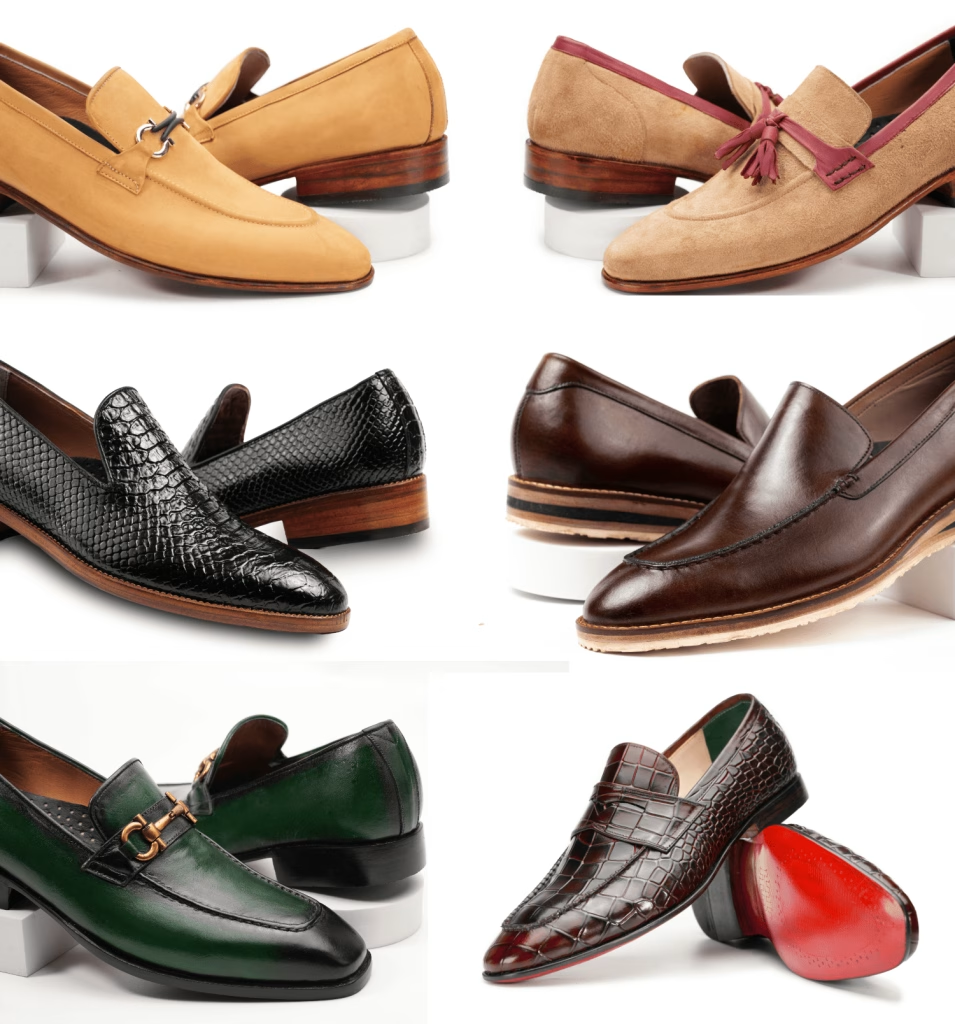
The foundation of any backless loafer collection, classic leather mules feature clean lines, minimal ornamentation, and premium full-grain leather. These are the workhorses of the category—versatile enough for both casual and smart-casual occasions. Handsole’s handmade backless mule collection showcases this timeless approach, with each pair hand-welted and constructed using traditional shoemaking techniques.
Key Features:
- Smooth leather uppers (typically calfskin)
- Simple, elegant silhouette
- Minimal hardware or decoration
- Rounded or almond toe shapes
- Works in brown, black, cognac, or tan
Horsebit Backless Loafers
Inspired by Gucci’s iconic design, horsebit backless loafers feature a metal snaffle-bit detail across the vamp. This distinctive hardware adds visual interest and elevates the shoe from simple to sophisticated. The horsebit design works particularly well in backless configurations because it draws the eye to the shoe’s structure rather than its missing heel counter.
When choosing horsebit mules, look for quality metal hardware that won’t tarnish and a balanced proportion where the bit complements rather than overwhelms the shoe’s profile.
Penny Keeper Backless Loafers
The penny loafer detail translates beautifully to backless designs. These feature a leather strap across the vamp with the characteristic diamond-shaped cutout. Penny keeper backless loafers sit perfectly between casual and dressy—ideal for smart-casual dress codes where traditional lace-ups might feel too formal but sneakers are too relaxed.
Tassel Mule Loafers
Tassel details add a preppy, collegiate element to backless loafers. Hand-sewn leather tassels provide textural interest and movement, making these particularly well-suited to warm-weather styling. The tassel’s placement on a backless silhouette creates an interesting visual balance—traditional detail meeting modern convenience.
Textured and Exotic Leather Mules
For those seeking statement footwear, textured leathers offer distinctive character. Options include:
- Croc-embossed leather: Adds visual depth and luxury appeal
- Suede: Perfect for casual wear, though requires more maintenance
- Pebble grain leather: More forgiving of wear while maintaining sophistication
- Patent leather: High-shine option for evening or fashion-forward looks
Handsole offers several exotic leather options including hand-applied patinas that create one-of-a-kind colorways on each pair.
How to Wear Backless Loafers: A Practical Style Guide
The beauty of backless loafers lies in their versatility, but knowing how to style them properly maximizes their impact in your wardrobe.
Business Casual Environments
Backless loafers have become increasingly acceptable in business-casual workplaces, though they remain too casual for traditional corporate environments. Here’s how to wear them professionally:
What Works:
- Tailored chinos or dress trousers: The key is proportion—slim or straight-leg cuts work best. Avoid baggy or overly tapered styles that throw off the visual balance
- No-show socks or bare ankles: This is crucial. Visible socks with backless loafers destroys the aesthetic entirely
- Crisp button-down shirts: Oxford cloth, linen, or fine cotton all work. Keep it tucked for the most polished look
- Sport coats or blazers: Unstructured jackets pair particularly well, maintaining the relaxed-but-refined vibe
Avoid:
- Traditional suits (save closed-back shoes for formal suiting)
- Dress shorts (too casual)
- Athletic or performance fabrics
- Overly formal dress shirts with French cuffs
Weekend and Casual Styling
This is where backless loafers truly shine—bringing sophistication to casual outfits without the stuffiness of traditional dress shoes.
Perfect Pairings:
- Dark denim: Raw or lightly washed denim with a clean hem works beautifully. Roll or cuff to show the ankle
- Casual trousers: Canvas pants, lightweight chinos, or even well-cut joggers
- Linen pants: Ideal for warm weather, creating an effortlessly Mediterranean aesthetic
- Casual shirts: Polos, casual button-downs, or quality t-shirts all work
Color Coordination:
- Brown mules: Pair with earth tones, navy, olive, cream
- Black mules: Works with black, grey, charcoal, navy
- Cognac/tan mules: Incredibly versatile—works with almost any color except black
Seasonal Considerations
Spring/Summer (Primary Season):
Backless loafers are warm-weather footwear at their core. The exposed heel provides ventilation, making them ideal for temperatures above 60°F. Pair with:
- Lightweight cotton or linen trousers
- Shorts (casual settings only)
- Summer-weight blazers
- Short-sleeve button-downs
Fall (Transition Season):
As temperatures drop, backless loafers can still work but require strategic styling:
- Heavier weight trousers (wool, flannel)
- Long pants only (no exposed ankles in cold weather)
- Consider leather or suede versions for visual warmth
- Pair with fall layers like sweaters and field jackets
Winter/Cold Weather:
Honestly? This is not prime backless loafer season. The exposed heel makes them impractical in snow, rain, or temperatures below 50°F. However, in mild winter climates or for indoor-focused days, they can work with:
- Heavy wool trousers
- Thick socks (if the shoe construction allows—though this somewhat defeats the purpose)
- Indoor settings primarily
The Sock Question: To Wear or Not to Wear
This is the most controversial aspect of backless loafer styling. Here’s the definitive answer: No visible socks, ever.
The entire aesthetic of backless loafers depends on the clean line from trouser hem to shoe. Visible socks—whether crew length, ankle socks, or even low-cut socks peeking out—completely undermines the look.
Your Options:
- Go sockless: Most common approach. Use foot powder or no-show liner socks if concerned about moisture
- No-show liner socks: These sit below the shoe’s topline. Essential if you have sweaty feet
- Loafer socks: Ultra-low profile socks designed specifically for loafers—invisible when worn
For those concerned about hygiene without socks, quality leather linings (like the goat leather lining in Handsole’s construction) naturally wick moisture and resist odor better than synthetic materials.
Trouser Length and Break
Trouser fit dramatically impacts how backless loafers look. Here’s what works:
Ideal trouser break:
- No break to quarter break: Trousers should barely touch or slightly kiss the shoe
- Hem hits at or just above the ankle bone when standing
- Slight pooling or stacking ruins the silhouette—get your trousers hemmed properly
Ankle exposure:
Showing 1-2 inches of ankle is the sweet spot. This creates visual separation between trousers and shoes, emphasizing the clean lines that make backless loafers attractive.
Backless Loafers vs Traditional Loafers: Understanding the Differences
When deciding between backless and traditional loafers, understanding the practical and aesthetic differences helps you make the right choice.
Ease of Use and Convenience
Backless Loafers Win:
The obvious advantage—you can literally step into them without bending down or using your hands. This makes them ideal for:
- Frequent removal situations (airport security, some offices, home transitions)
- Quick errands or casual outings
- Anyone with mobility issues that make bending difficult
- Fast-paced lifestyles where every second counts
Traditional Loafers:
While still easier than lace-ups, traditional loafers require at least some foot insertion effort and occasionally using a shoe horn for the best fit.
Fit and Security
Traditional Loafers Win:
The heel counter in traditional loafers provides several functional advantages:
- More secure fit with less heel slippage
- Better for extended walking or standing
- Maintains structure over time
- Easier to achieve perfect fit
Backless Loafers:
Without the heel counter, fit becomes more critical. The shoe must grip your forefoot and midfoot securely, as there’s nothing holding your heel. This is why quality construction matters enormously in backless loafers—hand-welted construction with proper last shaping ensures the shoe hugs your foot correctly.
Formality and Versatility
Traditional Loafers:
More versatile across formality levels. Can work in:
- Business formal environments (particularly penny loafers in black or burgundy)
- Traditional suiting
- Very formal events (with the right style)
- Conservative workplaces
Backless Loafers:
Top out at business casual. Perfect for:
- Smart-casual environments
- Creative industries
- Weekend wear
- Warm-weather occasions
- Fashion-forward styling
Aesthetic Impact
This comes down to personal preference and context:
Traditional Loafers offer timeless, conservative styling that never looks out of place in professional settings.
Backless Loafers make a statement. They signal that you’re style-conscious and comfortable with slightly less conventional choices. The exposed heel creates visual interest and a more relaxed silhouette.
When to Choose Which
Choose Traditional Loafers When:
- Your workplace leans conservative
- You need maximum versatility
- You’ll be walking extensively
- Wearing with formal or semi-formal attire
Choose Backless Loafers When:
- You prioritize convenience and ease
- Your environment allows smart-casual footwear
- Building a warm-weather wardrobe
- You want a distinctive, modern aesthetic
- Primarily driving or light walking
Construction Quality: What Makes a Great Backless Loafer
Because backless loafers lack the structural support of a heel counter, construction quality becomes even more critical than in traditional shoes.
Hand-Welted vs Machine Construction
The difference between hand-welted and mass-produced backless loafers is immediately apparent in both feel and longevity.
Hand-Welted Construction Benefits:
- Upper leather is sewn directly to the insole and outsole by hand
- Creates exceptional flexibility that molds to your foot shape
- Dramatically increases durability—properly maintained hand-welted shoes last decades
- Allows for resoling, extending the life of your investment
- Superior comfort as the shoe breaks in to your unique foot shape
Handsole’s hand-welted process takes 7-14 days per pair because each stitch is executed by skilled craftsmen, not machines. This traditional method ensures structural integrity even without a heel counter.
Machine-Made Construction:
- Glued or cemented construction
- Less flexible, longer break-in period
- Cannot be resoled
- Generally lasts 1-2 years with regular wear
Leather Quality Matters More Without a Heel
In backless loafers, the leather must work harder to maintain shape and provide structure. Look for:
- Full-grain calfskin: The highest quality leather, develops beautiful patina over time
- Vegetable-tanned leather soles: More durable and comfortable than synthetic
- Quality lining leather: Goat or kid leather lining provides moisture management
- Hand-finished edges: Indicates attention to detail and craftsmanship
Last Shape and Fit
The shoe last (the form around which the shoe is built) is crucial in backless loafers. Without a heel counter to adjust fit, the last must be precisely shaped to grip your foot in all the right places.
Handsole offers multiple last options including rounded toe, almond toe, and semi-square shapes. Each serves different foot shapes and aesthetic preferences. The ability to select your last ensures proper fit—essential in backless construction.
Frequently Asked Questions About Men’s Backless Loafers
Are backless loafers comfortable for all-day wear?
Quality backless loafers with proper construction can be very comfortable for moderate activity. However, they’re not ideal for extensive walking or standing compared to enclosed shoes. The key is fit—if the shoe grips your midfoot securely without pinching, comfort is excellent.
Can you wear backless loafers with suits?
Generally no. Backless loafers are too casual for traditional suiting. They work best with smart-casual attire: chinos, casual trousers, sport coats, and blazers. Save closed-back dress shoes for your suits.
How should backless loafers fit?
Snug but not tight across the vamp and midfoot. Your heel should sit comfortably in the footbed without slipping forward when walking. There should be about a thumb’s width of space between your longest toe and the shoe’s end. Because there’s no heel counter, fit is more critical than in traditional shoes.
Do backless loafers stretch?
Quality leather backless loafers will stretch slightly (about half a size) across the width as they break in. However, they won’t stretch in length. If choosing between sizes, slightly snug across the width is better than too long, as the leather will mold to your foot over time.
How do you keep backless loafers from slipping off?
Proper fit is essential. The shoe should grip your instep and midfoot securely. Additionally, textured or suede insoles provide more grip than smooth leather. Some wearers use heel grips or tongue pads to fine-tune fit, though a well-constructed shoe shouldn’t require these.
Conclusion: Elevating Your Style with Backless Loafers
Men’s backless loafers represent the perfect convergence of style and convenience—a shoe that looks sophisticated while offering the ease of a slip-on. Whether you’re drawn to their Italian-inspired elegance, practical functionality, or modern aesthetic, investing in quality construction ensures your backless loafers become a wardrobe staple for years to come.
The key is choosing backless loafers that match your lifestyle and understanding how to style them appropriately. For those seeking authentic handmade quality, traditional construction methods, and the ability to customize fit and finish, explore Handsole’s collection of backless loafers—each pair hand-welted, hand-lasted, and crafted using techniques that have defined fine shoemaking for centuries.
From classic leather mules to distinctive horsebit designs, the right pair of backless loafers bridges the gap between casual comfort and refined style—proving that sometimes, the most sophisticated choice is the most effortless one.
Ready to Experience Handmade Quality?
Explore our collection of hand-welted backless loafers, each crafted using traditional shoemaking techniques passed down through generations.